Single-Cell RNA-Seq Data Analysis: A Practical Introduction
From 10x/Cell Ranger processing to Seurat-based clustering and multi-sample integration
Learn a complete, beginner-friendly single-cell workflow - from raw data processing and QC to cluster annotation, differential expression, and integration across samples.

In a nutshell

  • Understand sequencing technologies for single-cell analysis (plate-based vs droplet-based)
  • Process, QC and analyze scRNA-seq data with a structured, reproducible workflow
  • Identify, visualize and annotate cell clusters using practical marker-based strategies
  • Integrate multi-sample data and handle batch effects with confidence
When?
March 23-25, 2026
9 am - 5 pm

Where?
Berlin, Germany

This workshop provides a thorough, hands-on introduction to single-cell RNA sequencing (scRNA-seq) data analysis. You will learn how to process, analyze, and integrate single-cell datasets using widely adopted tools and best practices.

We cover sequencing technologies, quality control and preprocessing, dimensionality reduction, clustering, trajectory inference, differential expression analysis, and multi-sample integration.

By the end of the workshop, you will be able to:

  • Process 10x Chromium data with Cell Ranger and interpret key QC metrics
  • Perform single-sample analysis in Seurat (filtering, normalization, PCA/UMAP, clustering, markers)
  • Create diagnostic plots and make informed analysis decisions (not “click-and-hope”)
  • Integrate datasets across samples/conditions, handle batch effects, and compare clusters via differential expression

Go to registration.

Get trained by experts

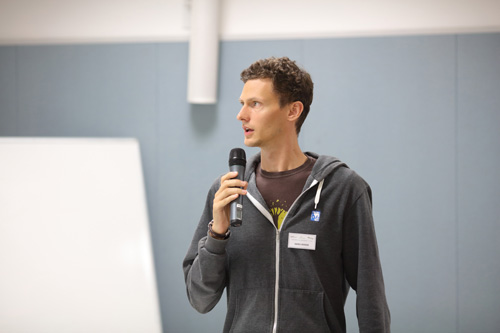
Our trainers bring proven academic and/or industry experience in NGS and single-cell data analysis — so your questions are answered with practical, up-to-date context.

Open source NGS tools

We focus on open-source tools that are free to use in academia and industry, so you can continue applying the workflow after the course.

Learn effectively with well-curated materials

We provide carefully prepared datasets and step-by-step exercises to help you learn efficiently and build confidence quickly.

This workshop is tailored to beginners in biological data analysis and consists of three course modules:

  1. Applications of NGS in Single-Cell analysis:
    Get the foundations right: single-cell technologies, file formats, basic Linux navigation, and a guided introduction to Cell Ranger for 10x Chromium processing and QC.
  2. Single-sample analysis with R-Seurat:
    Learn the standard Seurat workflow for one dataset: preprocessing, dimensionality reduction, clustering, marker detection, and diagnostic plots.
  3. Data integration and multi-sample analysis:
    Integrate multiple samples, address batch effects, compare clusters/conditions via differential expression, and get an introduction to multi-modal analysis - with hands-on exercises.

Detailed Course Program


Applications of NGS in Single-Cell analysis

  • Sequencing technologies from a single-cell perspective
  • Plate-based vs droplet-based methodologies: what changes for analysis
  • Linux command line basics and navigating the file system
  • Core bioinformatics file formats (FASTQ, FASTA, GTF)
  • From reads to a count matrix: alignment, filtering, expression quantification
  • Processing and QC of 10x Chromium data using Cell Ranger

Single-sample analysis with R-Seurat

  • Getting comfortable with data handling in R
  • Preprocessing: cell filtering, normalization, feature selection
  • Dimensionality reduction: PCA and choosing meaningful dimensions
  • Non-linear embedding with t-SNE and UMAP
  • kNN-based clustering in Seurat
  • Marker detection and practical strategies for cluster annotation
  • Diagnostic plots you can trust: what to plot, how to interpret it
  • Trajectory inference and an introduction to RNA velocity

Data integration and multi-sample analysis

  • Integration concepts: combining datasets from different sources
  • Cell label transfer
  • Batch effects: how to recognize them and how “soft integration” works
  • Differential expression between clusters and conditions
  • Multi-modal analysis: incorporating additional -omics layers
  • Guided challenge exercises to apply your new skills

Trainers

Dr. Adam Nunn (ecSeq Bioinformatics GmbH)
Adam is a bioinformatician specialized in DNA-Seq, bulk RNA-Seq, and single-cell RNA-Seq, with a strong focus on robust, pipeline-based analysis. Publications

Rosaria Tornisiello (Max Planck Institute for Molecular Genetics)
Rosaria is a PhD researcher working with genomic and single-cell data to study epigenetic regulation during mammalian development. Publications

Requirements

This workshop is aimed at biologists and data analysts with no or little experience in developing computational pipelines for data analysis.

A basic understanding of molecular biology (DNA, RNA, gene expression, PCR, …) is assumed, as examples are discussed in that context.

Some familiarity with a command line interface (Linux/macOS) is helpful, and a minimal understanding of programming concepts can be beneficial — but neither is required. We start from the essentials and guide you step-by-step.

Clarity note: You will work in R/Seurat, but this is not a programming course - the focus is on analysis workflows and interpretation.

  •   Printed course materials
  •   Catering during the workshop
  •   Conference dinner
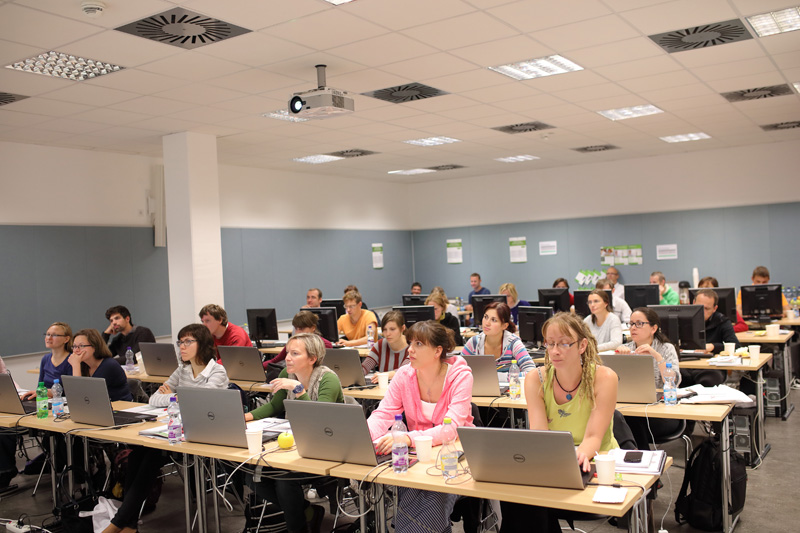
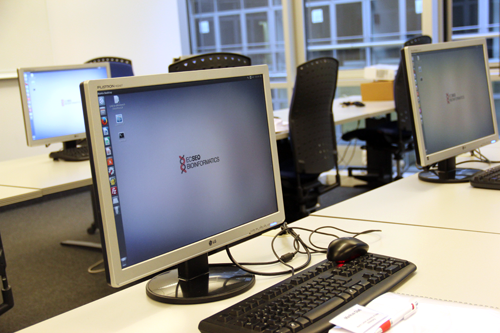
  •   High-performance computer (no laptop needed)
  •   Downloadable environment for seamless continuation/repetition after the course
  •   Certificate

Attendance

Location: PC-College, Stresemannstraße 78, 10963 Berlin, Germany
Language: English
Available Seats: 30 (first-come, first-served)

Registration Fee: 1089 EUR (excluding VAT)

Travel expenses and accommodation are not covered.

Travel Information - Berlin

Key dates

Opening Date of Registration: December 9, 2025
Closing Date of Registration: March 20, 2026
Workshop: March 23-25, 2026 from 9 am to 5 pm

"The single-cell RNAseq data analysis course offered by ecSeq provides a highly valuable resource, particularly for individuals new to the field, seeking to comprehend the intricacies of single-cell transcriptomics. This course serves as an excellent entry point, offering comprehensive tutorials on fundamental Linux command line operations and R-based data analysis using the Seurat package. The course content is not only informative but also conveniently adaptable, as it emphasizes practical implementation of data analysis techniques and facilitates the application of newfound knowledge to individual datasets. Consequently, I enthusiastically endorse this course, particularly for those aspiring to embark on their journey in data analysis with a strong foundation." Alexandro Landshammer, Novartis Pharma AG

"Overall, I was extremely satisfied with this workshop. As a beginner to any sort of RNA analysis this was a great introduction and along with the course material book, I believe I could now tackle a dataset independently which is exactly what I wanted from this course. So, thank you all very much for organising such a superb workshop!" Charlotte Dunne, Pantherna Therapeutics, Germany

"I am writing to express my utmost satisfaction with the Bioanalysis in Single Cell Sequencing course. The comprehensive content covered every aspect needed, offering a full understanding of the topic. I would like to extend my gratitude to the exceptional instructors whose friendliness and eagerness to answer all our queries made the learning experience truly enriching. Their knowledge and commitment to our understanding were apparent and highly appreciated. I am looking forward to applying the skills and knowledge I have gained in my future work." Wilson DSB, Sanofi


When you register for this workshop you are agreeing with our Workshop Terms and Conditions. Please read them before you register.


Any Questions? Please feel free to contact our events team.

ecSeq Bioinformatics GmbH
Sternwartenstr. 29
D-04103 Leipzig
Germany
Email: events@ecSeq.com